
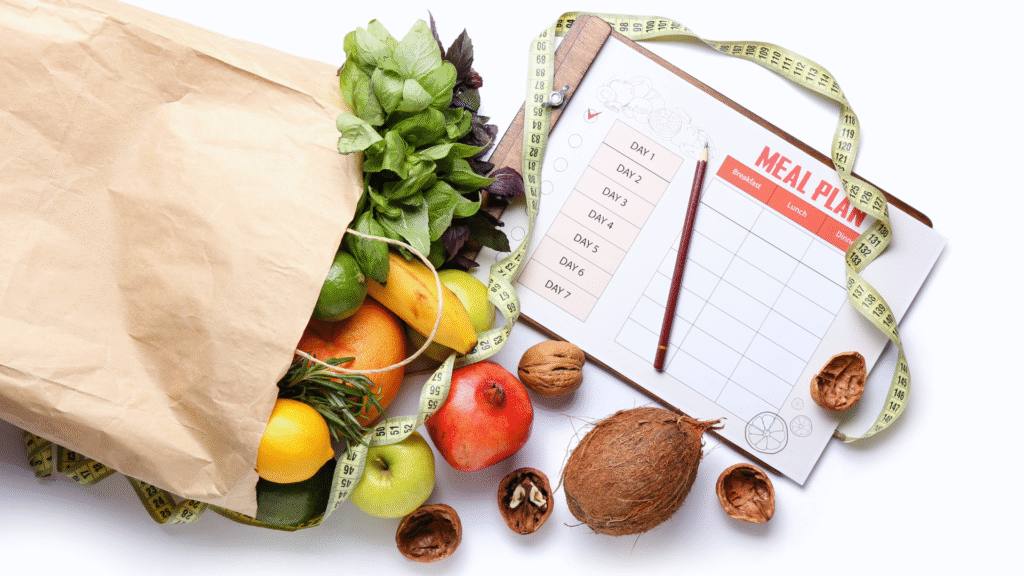
Creating a meal plan that caters to an active lifestyle is essential for maintaining energy and performance. A well-structured meal plan should prioritize nutrient-dense foods that fuel workouts and aid recovery. By incorporating a mix of carbohydrates, proteins, and healthy fats, individuals can ensure they are meeting their dietary needs while staying energized throughout the day.
Active individuals often face unique challenges when it comes to meal planning. Time constraints and the temptation of convenience foods can lead to less nutritious choices. By understanding how to effectively plan meals, they can avoid these pitfalls and maintain a balanced diet that supports their physical activities.
Adopting a practical approach to meal planning can significantly enhance physical performance and overall well-being. With the right strategies in place, those with active lifestyles can enjoy satisfying meals without sacrificing nutrition or convenience.
Core Principles of Realistic Meal Planning for Active Lifestyles
Creating a meal plan for an active lifestyle requires a focus on aligning nutritional needs with activity levels, ensuring balance in food choices, and setting achievable dietary goals. Each of these components plays a crucial role in sustaining energy and supporting overall health.
Aligning Meal Plans With Activity Levels
Activity levels vary widely from person to person, directly influencing nutritional requirements. It is essential to tailor meal plans according to the energy expenditure associated with different activities, from moderate exercises like walking to high-intensity workouts.
- Higher Energy Needs: Athletes or individuals engaging in vigorous training should prioritize meals rich in carbohydrates for fuel, alongside adequate protein for muscle repair.
- Moderate Energy Needs: Those with a balanced exercise routine should aim for a well-rounded intake, incorporating sufficient proteins, fats, and carbohydrates.
Tracking caloric intake versus expenditure can assist individuals in maintaining weight or adjusting as necessary.
The Role of Nutritional Adequacy and Balance
A balanced meal plan emphasizes neither extreme diets nor excessive restriction. Rather, it promotes nutritional adequacy by including a variety of food groups to cover essential vitamins and minerals.
- Macronutrients: Each meal should contain a mix of carbohydrates, proteins, and healthy fats. For example, a meal might include grilled chicken (protein), quinoa (carbohydrate), and avocado (fat).
- Micronutrients: Incorporating fruits and vegetables not only enhances flavor but also ensures intake of vital nutrients. Aim for a colorful plate to maximize diversity.
Such a balance is crucial not only for energy levels but also for long-term weight management and overall health.
Establishing Achievable Dietary Goals
Setting realistic dietary goals fosters a sustainable approach to meal planning. Goals should be specific, measurable, attainable, relevant, and time-bound (SMART).
- Specific: Instead of a vague goal like “eat healthier,” specify what that means, such as “include vegetables in every meal.”
- Measurable: Goals should have tangible outcomes, like “consume 25 grams of fiber daily.”
By prioritizing these principles, individuals can create meal plans that effectively support their active lifestyles while promoting health and well-being.
Macronutrient Distribution and Energy Needs
A well-structured meal plan acknowledges the importance of caloric intake, metabolic rate, and the balance of macronutrients. The following sections clarify how to effectively manage these factors to support an active lifestyle.
Understanding Caloric Intake and Metabolic Rate
Caloric intake refers to the total number of calories consumed through food and beverages. For active individuals, understanding their metabolic rate—the number of calories burned at rest—is crucial.
To determine daily caloric needs, one can use formulas like the Mifflin-St… Jeor Equation. Calculating the basal metabolic rate (BMR) helps gauge energy requirements based on activity level.
For example, an active person may require:
| Activity Level | Multiplier |
| Sedentary | 1.2 |
| Lightly active | 1.375 |
| Moderately active | 1.55 |
| Very active | 1.725 |
| Super active | 1.9 |
Optimizing Portion Sizes for Performance
Portion sizes are key to meeting energy needs while supporting physical performance. Understanding appropriate servings ensures that individuals fuel their bodies effectively without overeating.
Using common visual aids can help in estimating portions. For example:
- Carbohydrates: One cupped hand for grains or pasta.
- Proteins: A palm-sized portion of lean proteins like chicken or fish.
- Fats: A thumb-sized amount of healthy fats such as olive oil or nut butter.
Adjusting these portions based on specific goals—whether to gain muscle or lose fat—will impact overall performance and recovery.
Balancing Carbohydrates, Proteins, and Fats
A balanced macronutrient distribution is critical for maximizing energy levels. Active individuals often thrive on a macronutrient ratio of approximately 50-60% carbohydrates, 15-20% proteins, and 20-30% fats.
- Carbohydrates: Primary energy source, particularly for high-intensity workouts. Opt for complex sources like whole grains, fruits, and vegetables.
- Proteins: Essential for muscle repair and growth. Lean proteins such as chicken, fish, beans, and legumes should be included regularly.
- Fats: Healthy fats, such as those found in avocados, nuts, and olive oil, support hormonal balance and energy.
Regularly reviewing these ratios based on activity levels and personal goals can lead to optimal performance and health.
Practical Steps for Building and Sustaining Your Meal Plan
Creating a meal plan that aligns with an active lifestyle requires thoughtful strategies for preparation, timing, and tracking. Following specific steps can ensure this plan is both manageable and effective.
Meal Prep Strategies for Busy Schedules
Effective meal prep means dedicating time to preparing meals in advance, making healthier eating convenient. Designate a specific day each week, typically Sunday, to cook larger batches of staple items like grains, proteins, and roasted vegetables.
Using compartmentalized containers can help portion out meals for easy access. Here’s a simple weekly prep list:
- Proteins: Grill chicken, bake fish, or cook beans.
- Grains: Prepare quinoa, brown rice, or whole-grain pasta.
- Vegetables: Roast sweet potatoes, steam broccoli, or mix colorful salads.
Incorporate snacks like cut fruits and nuts for quick treats. Storing meals in the freezer can help maintain variety and prevent spoilage.
Meal Timing for Optimal Performance
Meal timing is crucial for maximizing energy and recovery during active days. Eating at consistent intervals, approximately every 3-4 hours, ensures steady energy levels.
Pre-workout meals should be rich in complex carbohydrates. Opt for oatmeal with fruit or a smoothie made with yogurt and berries. Post-workout, prioritize protein along with carbohydrates to aid muscle recovery. Good options include a protein shake and a banana or Greek yogurt with honey.
Implementing a routine where meals are scheduled around workout times is beneficial. Adjusting meal timing based on activity intensity can further enhance performance and recovery.
Tracking Progress With a Food Diary
Maintaining a food diary serves as a powerful tool for understanding dietary habits. Recording meals, snacks, and beverages helps identify patterns and areas for improvement.
Include details such as:
- Portion sizes: Helps gauge intake.
- Ingredients: Allows tracking of nutrients.
- Mood and activity level: Connects food intake with energy and mood changes.
Regularly reviewing the diary helps make informed adjustments. Utilizing apps or simple notebooks can simplify this process. Consistency in tracking fosters accountability and aids in maintaining the meal plan.
Adapting Meal Plans for Changing Goals
Adjusting a meal plan to meet evolving fitness objectives is essential for long-term success. Whether aiming for weight gain or maintaining weight, specific strategies can help tailor nutrition to support these goals effectively.
Approaches for Weight Gain
For those looking to gain weight, increasing calorie intake is crucial. Focus on nutrient-dense foods that offer a higher caloric value without excessive volumes.
Effective strategies include:
- Increase Portion Sizes: Add 10-20% more food at each meal.
- Incorporate Healthy Fats: Use sources like avocados, nuts, and olive oil.
- Frequent Meals: Aim for 5-6 smaller meals throughout the day.
Protein-rich foods can also aid in muscle growth. Ideal sources include lean meats, dairy, legumes, and protein powders. Tracking caloric intake helps ensure that increasing portions lead to gradual weight gain without unhealthy fat accumulation.
Maintaining Weight Management Over Time
To maintain current weight, individuals should focus on a balanced meal plan that aligns with daily energy expenditure.
Key elements to consider:
- Caloric Awareness: Calculate maintenance calories based on activity level.
- Balanced Macronutrient Ratios: A mix of carbohydrates, proteins, and fats promotes satiety and energy.
- Regular Meal Timing: Consistency can help stabilize metabolism and prevent overeating.
Being mindful of changes in activity levels is essential. Adjustments might be necessary when increasing or decreasing exercise frequency. Tracking food intake can aid in making necessary modifications to keep weight stable.