
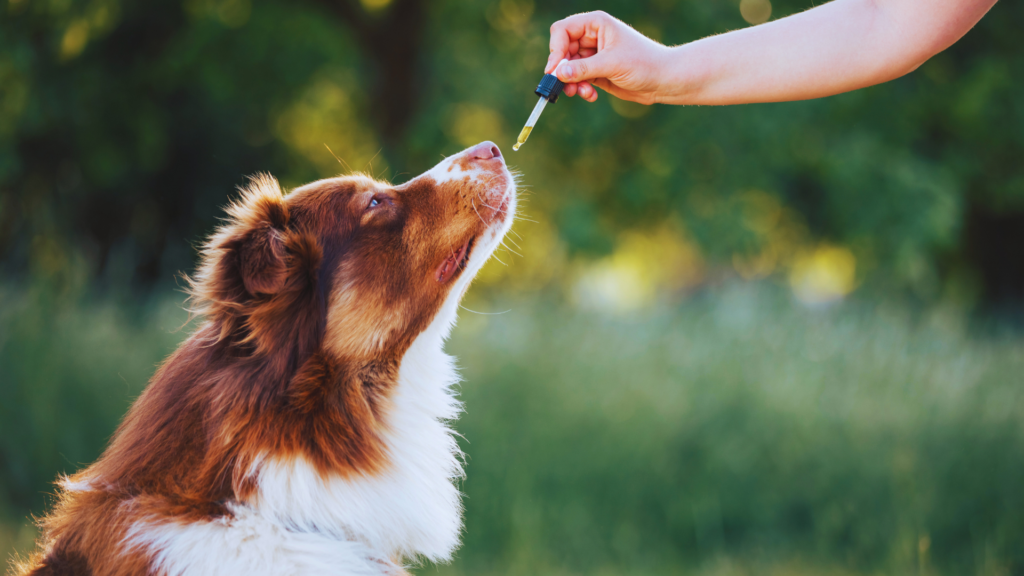
The growing popularity of CBD for pets has sparked interest among pet owners seeking alternative therapies for their animals. Cannabidiol, a non-psychoactive compound derived from hemp, offers potential benefits without the intoxicating effects associated with THC. Research suggests that CBD may help manage anxiety, pain, and inflammation in pets, providing a natural option for those looking to improve their furry companions’ quality of life.
Many pet owners are curious about how CBD interacts with their pets’ endocannabinoid systems, which play a crucial role in regulating various bodily functions. Hemp-derived CBD products are available in different forms, including oils, treats, and capsules, catering to dogs and cats alike. Understanding the differences between these options can empower pet owners to make informed decisions.
As the landscape of pet health continues to evolve, integrating CBD into pet care routines has become a focus for many. The discussion around CBD’s safety and efficacy presents an opportunity for pet owners to explore new avenues for enhancing their pets’ well-being.
Understanding CBD and Its Effects on Pets
Cannabidiol (CBD) interacts with the endocannabinoid system (ECS) in pets, influencing various physiological functions. The following subsections explore the science behind CBD, its comparison with THC, and its potential health benefits for animals.
The Science of CBD and Cannabinoid Receptors
CBD is a non-psychoactive compound derived from hemp. Unlike THC, which can induce a high, CBD does not affect the mind.
Pets possess cannabinoid receptors, primarily CB1 and CB2, which are part of the endocannabinoid system. This system helps regulate functions such as pain, mood, and immune response.
Endocannabinoids are naturally occurring compounds in the body that interact with these receptors. When pets receive CBD, it balances the ECS, potentially alleviating issues like anxiety and pain. Research is ongoing, but early findings indicate that CBD may aid in managing conditions such as arthritis and epilepsy.
Comparing THC vs. CBD for Pets
THC, or tetrahydrocannabinol, is well-known for its psychoactive properties. It can cause adverse effects in pets, including lethargy, vomiting, and in severe cases, seizures.
In contrast, CBD is regarded as safer for animals. Many CBD products designed for pets have undetectable levels of THC.
Key Differences:
- Psychoactivity: CBD is non-psychoactive; THC is psychoactive.
- Safety: CBD generally has a higher safety profile for animals.
- Effects: CBD can promote relaxation and relief without causing intoxication.
Pet owners should opt for CBD formulations specifically tailored for animals to avoid any undesired effects linked to THC.
Potential Health Benefits and Uses
CBD has shown promise in various therapeutic applications for pets. Research indicates it may provide relief from pain, inflammation, and stress in animals.
Common uses include:
- Anxiety Relief: CBD may help decrease anxiety levels in pets during stressful situations, like thunderstorms or travel.
- Pain Management: It can assist in alleviating chronic pain linked to conditions like osteoarthritis.
- Seizure Control: There are anecdotal reports and preliminary studies suggesting that CBD may reduce the frequency of seizures in epileptic pets.
- Cancer Care: Some studies indicate that CBD may help reduce inflammation associated with cancer and improve overall well-being.
Pet owners should consult with a veterinarian to determine appropriate dosages and formulations, which may include oils, tinctures, or treats.
Safety, Dosage, and Administration
When considering CBD for pets, understanding safe dosages, methods of administration, and potential side effects is crucial. This section offers a detailed look into these essential aspects to ensure pet owners make informed choices.
Determining Safe and Effective Dosages
Determining an appropriate CBD dosage depends on the pet’s weight, condition, and individual response. A common starting point is 1-2 mg of CBD per 10 pounds of body weight. It is advised to monitor the pet’s reaction and adjust the dosage accordingly.
Consulting a veterinarian is vital before starting CBD, especially if pets are on other medications. Regular monitoring of liver enzymes may be necessary, as CBD can influence liver metabolism. Observing the pet’s behavior and well-being helps identify the effective range of dosages.
Methods of Administering CBD to Pets
Several methods exist for administering CBD to pets, including oils, treats, and capsules. CBD oils can be given directly under the tongue for quick absorption or mixed with food. Treats provide a convenient option but may have varying CBD concentrations.
Dosing with capsules is another method, though they generally take longer to show effects. Regardless of the form used, ensuring the product is specifically designed for pets is essential to avoid harmful additives. Selecting a high-quality, lab-tested CBD product upholds safety.
Recognizing and Avoiding Side Effects
While CBD is generally safe for pets, some may experience side effects. Common issues include drowsiness, lethargy, or vomiting. These symptoms typically arise when dosages are too high or if the pet has a sensitivity to CBD.
If side effects occur, it is advisable to reduce the dosage or halt administration. In serious cases, consult a veterinarian immediately. Awareness of each pet’s tolerance and response is critical to minimizing risks and ensuring a positive experience with CBD.
Quality, Regulation, and Legal Considerations
When considering CBD products for pets, understanding quality standards and legal regulations is crucial. This section will explore how to identify high-quality products and provide insights into the regulatory landscape.
Identifying High-Quality CBD Products for Pets
High-quality CBD products for pets should meet specific standards. Pet owners should look for full-spectrum pure hemp oils, which contain various cannabinoids and terpenes that can enhance the therapeutic effects.
Important criteria to consider include:
- Third-Party Testing: Always seek products that have been tested by independent laboratories. This ensures transparency and verifies product safety.
- Certificates of Analysis: Brands should provide these documents, confirming the product’s composition and confirming it is free from harmful substances like pesticides and fungicides.
- USDA Certified Organic Oil: Opt for oils derived from organically grown hemp plants to avoid chemical residues.
- Reputable Brands: Research brands that are endorsed by institutions like Colorado State University and the American Veterinary Medical Association (AVMA).
Regulatory Landscape and Legal Status of Pet CBD
The legal status of CBD for pets varies by state. While federal law permits the sale of hemp-derived products under the 2018 Farm Bill, individual states may impose additional regulations.
- State Regulations: States such as California and Colorado have specific guidelines on CBD use in veterinary medicine. Pet owners should consult local laws to ensure compliance.
- Veterinary Guidance: The American Kennel Club (AKC) advocates for veterinarians’ involvement in recommending CBD. They stress the importance of discussing potential benefits and risks.
- FDA Oversight: Currently, the FDA has not approved CBD for pet use, which leads to a gray area in marketing claims and safety standards.
Understanding these factors can help pet owners make informed decisions regarding CBD.
Research, Case Studies, and Veterinary Insights
Research on CBD for pets has grown significantly, revealing insights from veterinary professionals and studies alike. Focus is placed on its potential health benefits, including pain relief, appetite stimulation, and calming effects.
The Role of Veterinary Professionals
Veterinarians play a crucial role in assessing the use of CBD for pets. They consider individual health conditions, such as osteoarthritis and cancer, when recommending treatments. Veterinary insights help guide pet owners on dosage and appropriate formulations, ensuring a safe introduction of CBD into pet wellness practices.
Veterinary professionals also emphasize monitoring the pet’s response. Adjustments may be necessary based on observed effects like itchiness or pain management. Professionals remain informed about evolving research to offer evidence-based recommendations to clients.
Research Findings and Clinical Trials
Various studies have investigated the efficacy of CBD in pets. Clinical trials have demonstrated that CBD may help manage pain, particularly in conditions like osteoarthritis. Research has also shown potential benefits in appetite stimulation and anxiety reduction.
Key findings include the involvement of terpenes and cannabinoids in promoting homeostasis. Some studies focus on the liver’s cytochrome P450 system, essential for metabolizing CBD. This emphasizes the importance of veterinarian guidance during use, especially when combined with other medications.
Owner Testimonials and Anecdotal Evidence
Pet owners often share positive experiences with CBD. Many report enhanced well-being in their pets, citing reduced anxiety and improved mobility. Anecdotal evidence highlights cases of pets experiencing relief from chronic pain and increased appetite.
While these personal stories can inspire confidence, they should complement, not replace, scientific research. Each pet’s physiology can vary, leading to different responses. It’s crucial for owners to work with veterinarians to tailor treatment plans according to their pet’s unique needs.