
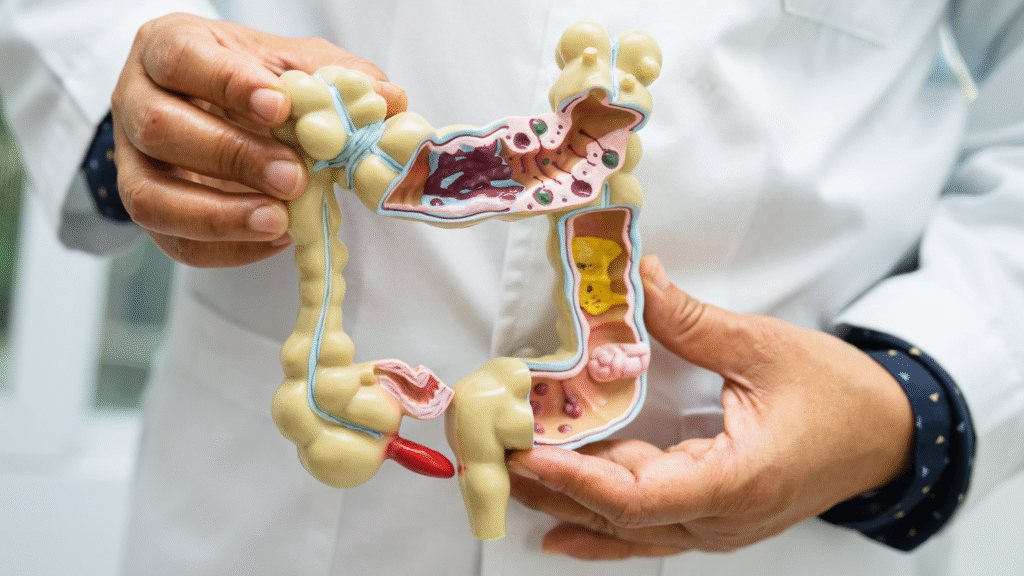
Gut health plays a crucial role in overall well-being, affecting everything from digestion to immune function. Incorporating specific foods into the diet can significantly enhance digestive health and promote efficient digestion. Understanding the types of foods that support gut flora and manage digestive issues can empower individuals to make better dietary choices.
Fermented foods, such as yogurt and kimchi, contain beneficial probiotics that contribute positively to gut health. Additionally, high-fiber foods like fruits, vegetables, and whole grains play a vital role in maintaining a healthy digestive system by improving bowel regularity and fostering the growth of good bacteria.
By prioritizing these gut-friendly foods, individuals can help improve their digestion and support their body’s natural processes. This article will explore various foods and their specific benefits, providing practical advice for anyone looking to enhance their digestive health.
Key Foods for Gut Health and Digestion
A diverse diet including fermented foods, high-fiber choices, and those rich in polyphenols can significantly enhance gut health and improve digestion. These foods contribute to a balanced microbiome, support the digestive system, and promote overall wellness.
Fermented Foods for a Healthy Microbiome
Fermented foods are essential for maintaining a healthy gut microbiome. They are rich in probiotics, beneficial bacteria that aid in digestion and nutrient absorption. Common fermented foods include:
- Yogurt: Contains live cultures like Lactobacillus, promoting beneficial gut bacteria.
- Kefir: A fermented dairy product high in probiotics, supporting gut flora.
- Sauerkraut and Kimchi: Fermented vegetables loaded with vitamins and active cultures.
- Miso: A fermented soybean paste rich in minerals and probiotics.
Regular consumption of these foods can enhance digestive health and combat issues like constipation by balancing gut bacteria.
High-Fiber Foods and Their Benefits
Dietary fiber plays a crucial role in gut health. It aids in digestion and promotes regular bowel movements. There are two types of fiber: soluble and insoluble.
Soluble Fiber: Found in oats, apples, and lentils, it helps regulate blood sugar levels and supports good bacteria.
Insoluble Fiber: Present in whole grains and vegetables, it adds bulk to stool, preventing constipation.
High-Fiber Foods List:
- Beans: Great sources of both soluble and insoluble fiber.
- Lentils: Packed with fiber and protein, aiding digestive health.
- Fruits: Bananas and apples are excellent prebiotic options, feeding good bacteria.
Including a variety of fiber-rich foods can enhance digestive comfort and overall gut function.
Polyphenol and Antioxidant-Rich Foods
Polyphenols are compounds found in various foods that contribute to gut health through antioxidant effects. They help combat inflammation and support the growth of beneficial gut bacteria.
Foods Rich in Polyphenols:
- Berries: Blueberries and strawberries provide antioxidants and promote gut flora.
- Garlic: A prebiotic that supports beneficial bacteria while providing rich nutrients.
Incorporating these foods not only supports the microbiome but also enhances nutrient absorption and overall health.
Additional Supportive Foods
Certain foods provide additional support for digestion and gut health. These include:
- Bone Broth: Rich in collagen and amino acids, promoting gut lining integrity.
- Magnesium-Rich Foods: Such as spinach and nuts, assist in muscle function for smoother digestion.
These supportive foods can alleviate digestive discomfort, making it easier for the body to achieve balance. Regular inclusion of these items can be beneficial for maintaining a healthy gut environment.
Lifestyle Factors Impacting Gut Function
Several lifestyle factors significantly influence gut health and digestion. Focusing on diet, stress management, sleep quality, and regular exercise can lead to better gut function and overall well-being.
The Role of Diet and Processed Foods
Diet plays a crucial role in gut health. A balanced intake of nutrients is essential for proper digestion and nutrient absorption. High-fiber foods, such as fruits, vegetables, and whole grains, support healthy digestion by promoting beneficial gut bacteria.
In contrast, processed foods often contain excessive sugar and unhealthy fats, which can disrupt the digestive system. These foods may lead to imbalances in gut microbiota, negatively impacting gut health. Limiting processed foods and incorporating whole foods can nourish the gut and enhance overall health.
The Impact of Stress and Sleep
Stress has a profound effect on gut function. It can alter digestive processes, leading to symptoms such as bloating, diarrhea, or constipation. High-stress levels often correlate with poor mood and mental health, which can further exacerbate digestive issues.
Sleep quality also affects gut health. Inadequate sleep disrupts hormonal balances that regulate appetite and digestion. Poor sleep can impair the immune system, making the gut more susceptible to inflammation and infection. Prioritizing stress management techniques and quality sleep is vital for maintaining gut health.
Exercise and Gut Health
Regular physical activity positively influences gut health. Exercise enhances blood circulation, which supports nutrient delivery to the digestive system. It can also promote regular bowel movements, reducing the risk of constipation.
Moreover, physical activity has been linked to improved mental health and reduced stress levels, further benefiting gut function. Engaging in various exercises, from walking to strength training, can enhance immunity and contribute to overall digestive wellness. Incorporating regular exercise is a practical step toward optimizing gut health.
Health Benefits of Gut-Supportive Diets
A gut-supportive diet plays a crucial role in enhancing digestive health and overall wellness. By incorporating specific foods, individuals can experience various health benefits that encourage comfort, improve immunity, and promote mental well-being.
Digestive Comfort and Bloating Relief
A balanced gut can reduce symptoms of digestive discomfort, including bloating and constipation. Foods rich in fiber, such as fruits, vegetables, and whole grains, help regulate bowel movements and provide relief from constipation.
Probiotics found in fermented foods like yogurt and sauerkraut can enhance gut flora diversity. This balance aids in digestion, which can lead to reduced bloating and gas. Maintaining optimal gut health prevents inflammation, allowing the digestive system to function more smoothly.
Hydration also plays a vital role in digestion. Drinking adequate water supports fiber’s effectiveness, ensuring smoother bowel movements and reducing the risk of bloating. Implementing these dietary choices promotes overall digestive comfort.
Immunity and Whole-Body Wellness
Gut health is closely linked to immunity. A diverse microbiome supports a strong immune response, helping the body ward off illnesses. Foods high in antioxidants, such as berries and leafy greens, combat inflammation and protect against harmful pathogens.
Fermented foods bolster the gut by increasing beneficial bacteria, which can enhance the immune system’s functionality. When the gut is healthy, it produces more antibodies, contributing to improved immune defense.
Additionally, omega-3 fatty acids from sources like fatty fish are instrumental in managing inflammation. This helps support the immune system’s overall resilience. A gut-supportive diet empowers the body to function at its best.
Gut Health, Mood, and Mental Wellbeing
Emerging research links gut health to mood and mental well-being. A balanced gut microbiome influences neurotransmitter production, including serotonin, often referred to as the “feel-good” hormone. This connection indicates that improving gut health can positively impact mental health.
Foods that support gut health can stabilize mood and reduce stress levels. For instance, fiber-rich foods foster a healthy microbiome, which, in turn, can alleviate anxiety. Consuming probiotics regularly can also enhance mood and reduce symptoms of depression.
Nutrient-rich foods that promote brain health, such as dark chocolate and nuts, can support emotional well-being. Focusing on gut health leads to benefits that extend beyond the digestive system, positively influencing mental wellness.