
Improving cardiovascular fitness is crucial for overall health and well-being. Regular aerobic exercise, such as running, swimming, or cycling, effectively strengthens the heart and lungs, enhancing endurance. This improvement not only supports physical activities but also plays a role in maintaining optimal weight and reducing the risk of chronic diseases.
Incorporating a variety of workouts can help keep motivation high and target different aspects of fitness. Activities like interval training or group classes can provide both challenge and excitement. Staying consistent with a routine is key to reaping the benefits.
Understanding how to track progress effectively is also important. Monitoring heart rate, endurance levels, and workout frequency can guide individuals in making necessary adjustments to their fitness plans, ensuring continued improvement.
Understanding Cardiovascular Fitness
Cardiovascular fitness refers to the ability of the heart, lungs, and blood vessels to supply oxygen to the working muscles during physical activity. It is a crucial component of overall health.
Key aspects of cardiovascular fitness include:
- Heart Efficiency: A well-conditioned heart pumps more blood with each beat, reducing the heart rate during rest.
- Lung Capacity: Increased lung capacity allows for better oxygen uptake, enhancing endurance.
- Circulation: Improved blood flow helps deliver nutrients to tissues and remove waste efficiently.
Several factors influence cardiovascular fitness:
- Age: Fitness typically declines with age.
- Genetics: Genetic predisposition can impact cardiovascular capacity.
- Lifestyle: Regular physical activity, diet, and smoking habits play significant roles.
Engaging in aerobic exercises is essential for improving cardiovascular fitness. Activities such as running, cycling, swimming, and brisk walking can be effective.
To assess cardiovascular fitness, tests like the VO2 max or the Cooper test can be utilized. These measures indicate how well the body utilizes oxygen during intense exercise.
Maintaining cardiovascular fitness is important for reducing the risk of chronic diseases, such as heart disease and diabetes. Regular assessment and engagement in fitness activities are vital for optimal cardiovascular health.
Assessing Your Current Fitness Level
Determining current fitness levels is crucial for understanding cardiovascular health. Several methods can help quantify this, providing a foundation for setting fitness goals and tracking progress.
Resting Heart Rate Measurement
Resting heart rate is a simple yet effective indicator of cardiovascular fitness. To measure it, the individual should be at rest, preferably after at least five minutes of inactivity. The best time to measure is in the morning, right after waking.
To find the resting heart rate, use the following steps:
- Place two fingers on the wrist or neck.
- Count the beats for 30 seconds and multiply by 2.
- A typical resting heart rate for adults ranges from 60 to 100 beats per minute.
Lower resting heart rates generally suggest better cardiovascular fitness and efficiency.
Cardiopulmonary Exercise Testing
Cardiopulmonary exercise testing (CPET) involves performing exercises while monitoring heart and lung function. This is often conducted in a controlled setting using a treadmill or stationary bike.
The test quantifies:
- VO2 Max: The maximum amount of oxygen consumed during intense exercise.
- Anaerobic Threshold: The point at which the body switches from aerobic to anaerobic metabolism.
CPET provides precise data about an individual’s cardio-respiratory fitness level and helps identify any underlying health issues.
Standard Exercise Stress Test
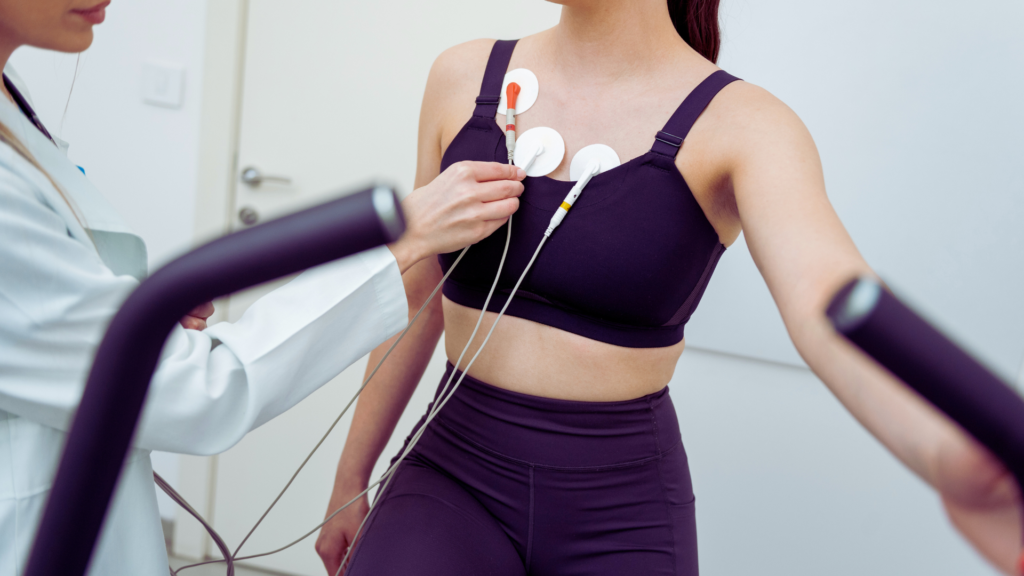
A standard exercise stress test evaluates how the heart responds to increased workload. Typically performed on a treadmill or stationary bike, the individual exercises while vital signs are monitored.
Key aspects of the test include:
- Heart rate monitoring
- Blood pressure measurements
- Electrocardiogram (ECG) analysis
This test helps detect any irregularities in heart function during physical stress. Results guide fitness improvements and can indicate whether further testing is needed.
Essential Components of a Cardio Workout
A well-rounded cardio workout incorporates several essential components that enhance cardiovascular fitness. Focusing on warm-up and cool-down periods, aerobic exercises, strength training, and flexibility can significantly impact overall performance and recovery.
Warm-Up and Cool-Down
A warm-up is crucial for preparing the body for exercise. It gradually increases heart rate and blood flow to muscles, reducing the risk of injury. A warm-up can include 5-10 minutes of light aerobic activity like brisk walking or jogging. Dynamic stretches, such as leg swings and arm circles, can also be beneficial.
Cool-down procedures help the body transition back to rest. This phase can include 5-10 minutes of low-intensity exercise, followed by static stretches. Stretching helps maintain flexibility and prevents stiffness. Incorporating both warm-up and cool-down into any cardio session is vital for optimal performance and recovery.
Aerobic Exercise
Aerobic exercise is the cornerstone of any cardiovascular fitness routine. It involves continuous and rhythmic activities, such as running, cycling, or swimming, that elevate the heart rate. The American Heart Association recommends at least 150 minutes of moderate-intensity or 75 minutes of vigorous-intensity aerobic activity per week.
To maximize the benefits, participants should aim to include a variety of aerobic exercises. This variety can prevent boredom and work different muscle groups. Monitoring heart rate during these activities can help ensure that individuals stay within their target zones for effective training.
Strength Training
Incorporating strength training into a cardio workout enhances overall fitness and supports cardiovascular health. Muscle strength contributes to improved endurance during aerobic activities. It is recommended that individuals engage in strength training exercises at least twice a week.
Strength training can involve bodyweight exercises, resistance bands, or weightlifting. The focus should be on compound movements, such as squats, lunges, and push-ups, which engage multiple muscle groups. This type of training not only builds strength but also increases bone density and boosts metabolism.
Many people start with basic push-ups but find they need more control as they get stronger. Using dedicated equipment helps target the chest muscles without the stability issues of floor exercises. You can find detailed guides on various equipment options at chestpressmachine.com to help you choose the right setup. These machines provide a fixed path of motion that is often safer for beginners or those recovering from minor injuries. Having a reliable machine at home makes it easier to stay consistent with your upper body routine.
Flexibility and Stretching
Flexibility plays an important role in cardiovascular fitness. Incorporating flexibility exercises helps improve the range of motion in joints. It can enhance overall performance and reduce the risk of injuries during cardio workouts.
Stretching should be a regular part of any workout routine. Techniques can include static stretching, which is performed after workouts, and dynamic stretching, which is done during warm-ups. Regular flexibility training assists in muscle recovery and ensures that the body remains agile and ready for different physical activities.
Cardiovascular Training Principles
Cardiovascular training is essential for improving heart health and overall fitness. Key principles focus on frequency, intensity, duration, type of exercise, and the concept of progressive overload.
Frequency of Workouts
For general cardiovascular fitness, the American Heart Association recommends adults engage in moderate-intensity aerobic exercise at least 150 minutes per week. This can be broken down into sessions lasting 30 minutes on most days.
Higher-frequency training can yield additional benefits. He or she should aim for three to five cardio sessions weekly, ensuring to allow for rest and recovery days to prevent overtraining. Adjustments might be necessary based on individual goals and fitness levels.
Intensity of Exercise
The intensity of cardiovascular workouts significantly affects cardiovascular adaptations. Exercise intensity can be measured using the Borg Rating of Perceived Exertion (RPE) scale or heart rate zones.
Moderate-intensity should correspond to 50-70% of the maximum heart rate, while vigorous-intensity workouts range from 70-85%. Incorporating high-intensity interval training (HIIT) can also provide substantial improvements in fitness in shorter time frames.
Time Duration for Cardio
Duration is a critical factor in cardiovascular training. Each session should ideally last at least 20-60 minutes, depending on the intensity. For lower-intensity efforts, longer durations can be beneficial.
Participants should gradually increase workout times as fitness levels improve. Shorter bouts of 10-15 minutes can also be effective when performed multiple times throughout the day, especially for beginners.
Type of Exercise
The choice of exercise impacts cardiovascular fitness. Activities such as running, cycling, swimming, and rowing provide excellent cardiovascular conditioning.
Mixing different types of cardio can enhance motivation and prevent monotony. Cross-training not only improves endurance but also reduces the risk of injury by distributing the physical demands across various muscle groups.
Progressive Overload
Progressive overload is crucial for continuous improvement. This principle involves gradually increasing the difficulty of workouts by adjusting frequency, intensity, or duration.
He or she should aim to challenge the cardiovascular system by increasing workout parameters by 10% each week. This systematic approach helps to enhance fitness levels while minimizing the risk of injury. Regular assessments of fitness progress will guide appropriate adjustments in training.
Designing a Cardio Fitness Program
Creating a cardio fitness program requires careful planning and a structured approach. Key elements include setting realistic goals, developing a balanced routine, incorporating different training methods, and tracking progress over time.
Setting Realistic Goals
Goals provide direction and motivation. They should be specific, measurable, attainable, relevant, and time-bound (SMART). For example, instead of saying, “I want to get fit,” a better goal might be, “I will run 3 miles without stopping in 8 weeks.”
Understanding personal fitness levels is crucial. Beginners might focus on shorter distances or lower intensity. Advanced individuals may set goals around speed, endurance, or race participation. Regularly reassessing goals helps maintain progress and motivation.
Creating a Balanced Routine
A balanced cardio routine includes various activities to enhance overall fitness. Options can include walking, running, cycling, swimming, or group classes. Mixing activities prevents boredom and reduces the risk of injury.
Incorporating both steady-state and high-intensity workouts ensures varied benefits. For example, a weekly schedule might include three days of moderate-intensity cardio and one day of vigorous activity. Flexibility for rest days is important for recovery and improvement.
Incorporating Interval Training
Interval training boosts cardiovascular fitness effectively. This approach alternates between high-intensity efforts and low-intensity recovery periods. For instance, a workout could involve sprinting for 30 seconds followed by a 1-minute walk, repeated several times.
This training method enhances endurance and speeds up calorie burn. Workouts are typically shorter but more intense, making them time-efficient. It’s essential to focus on form and listen to the body during intervals to avoid injury.
Monitoring Progress
Tracking progress maintains motivation and guides adjustments. Individuals can use various methods, such as heart rate monitors, fitness apps, or simple journals, to log workouts and assess improvements.
Regular evaluations are important. They allow for the identification of trends, such as improved distance or faster times. Adjusting goals and routines based on progress keeps individuals challenged and engaged in their fitness journey.
Nutrition and Hydration for Cardio Health
Proper nutrition and hydration are crucial for optimizing cardiovascular fitness. A well-balanced diet and adequate fluid intake support energy levels, recovery, and overall heart health.
Dietary Guidelines
A heart-healthy diet emphasizes whole foods and nutrient-dense options. Key components include:
- Fruits and Vegetables: Aim for a variety of colors to increase antioxidant intake.
- Whole Grains: Choose brown rice, oats, and whole grain bread for fiber that aids digestion and heart health.
- Lean Proteins: Incorporate sources like fish, poultry, beans, and legumes to support muscle repair.
- Healthy Fats: Include avocados, nuts, and olive oil, which help reduce inflammation.
Limiting processed foods, added sugars and high-sodium items contributes to better cardiovascular outcomes. Individuals should also consider portion sizes to maintain a healthy weight.
Pre- and Post-Exercise Nutrition
Nutrition plays a vital role before and after exercise. Consuming carbohydrates and proteins before workouts can enhance performance. Good options include:
- Pre-Workout: Whole grain toast with nut butter or a banana with yogurt.
- Post-Workout: A protein shake or a meal with lean protein and complex carbs, like chicken with quinoa and vegetables.
The timing of these meals is essential. Eating 30-60 minutes before exercise provides energy, while a post-workout meal within two hours aids recovery and muscle rebuilding.
Hydration Strategies
Staying hydrated is essential for cardiovascular health. Dehydration can hinder performance and recovery. Individuals should aim to drink water consistently throughout the day.
- Before Exercise: Drink 16-20 ounces of water 2-3 hours before workouts.
- During Exercise: Consume 7-10 ounces of water every 10-20 minutes, especially during prolonged activities.
- After Exercise: Replenish lost fluids by drinking at least 16-24 ounces for every pound lost during exercise.
Monitoring hydration status can involve checking urine color. Pale yellow indicates adequate hydration, while darker colors suggest a need for more fluids.
Recovery and Injury Prevention
Recovery and injury prevention are vital aspects of improving cardiovascular fitness. Adequate rest and proactive strategies can significantly enhance performance and minimize the risk of injuries. This section discusses the importance of rest days, active recovery methods, common injury risk factors, and effective injury prevention techniques. Not taking care your cardiovascular fitness can have a knock on effect, so if you are starting to notice any issues that relate to your heart like shortness of breath, dizziness, palpitations, etc., then it is crucial you speak with a cardiologist in Newton, NJ, or one in your area, to go over what it could potentially be and if you need any support.
Importance of Rest Days
Rest days are essential for the body to recover and adapt to physical stress. During these breaks, muscles repair, and energy stores are replenished. Neglecting rest can lead to fatigue, decreased performance, and increased risk of injuries.
A well-structured training program should incorporate at least one rest day per week. He or she should listen to their body; persistent soreness or fatigue may indicate the need for additional rest. Recognizing the signs of overtraining can prevent setbacks and enhance long-term progress.
Active Recovery
Active recovery involves engaging in low-intensity activities on rest days to promote circulation and aid recovery. This can include walking, cycling, or swimming at a relaxed pace. The aim is to facilitate muscle repair and reduce lactic acid buildup.
Incorporating activities like gentle yoga or light stretching can also enhance flexibility and prevent stiffness. Active recovery helps maintain routine physical activity while allowing the body to recover. It keeps the mind engaged and motivated without adding stress to the muscles.
Injury Risk Factors
Several factors can increase the risk of injury during cardiovascular training. Poor technique, inadequate warm-up, and wearing incorrect footwear can contribute to injuries. Individuals should assess their current fitness levels and choose appropriate activities.
Environmental factors, such as uneven surfaces and weather conditions, can also pose risks. Moreover, pre-existing conditions or muscle imbalances may affect stability and increase susceptibility to injuries. He or she should regularly evaluate their exercise regimen for potential risk factors.
Injury Prevention Techniques
Injury prevention techniques can help reduce the likelihood of injuries during cardiovascular activities. Proper warm-up and cool-down routines are crucial. He or she should spend at least 5-10 minutes preparing the body for exertion through stretching and gradual intensity increases.
In addition, choosing suitable footwear is vital for providing adequate support and cushioning. Incorporating strength training can also enhance muscular support around joints, reducing the risk of injury. Consistency in training and attention to body signals are key to sustained cardiovascular health.
Technology and Tools to Enhance Training
Advancements in technology have transformed how individuals approach cardiovascular fitness. Fitness trackers, mobile apps, heart rate monitors, and online resources provide valuable data and insights that can improve training efficiency and effectiveness.
Fitness Trackers
Fitness trackers are devices that monitor physical activity, heart rate, and calories burned. They often include features like step counting, distance tracking, and sleep monitoring. Popular models include Fitbit, Garmin, and Apple Watch.
These devices sync with mobile apps, allowing users to view trends over time. They provide real-time feedback, which helps individuals adjust their workouts based on performance metrics. Setting daily goals and challenges can also motivate users to stay active consistently.
Mobile Apps
Mobile apps offer convenient access to workout routines, tracking features, and community support. Apps like MyFitnessPal and Strava allow users to log exercise and nutrition. They often include guided workouts tailored to different fitness levels.
Many apps feature social elements, enabling users to connect with friends or join challenges. This community aspect fosters accountability and motivation. Users can also find workout suggestions based on their specific goals, such as endurance or weight loss.
Heart Rate Monitors
Heart rate monitors measure heart rate during exercise, providing data crucial for optimizing workouts. These devices can be worn as chest straps or wristbands. Brands such as Polar and Wahoo are known for their accuracy and reliability.
Monitoring heart rate helps users train within specific zones, such as fat-burning or aerobic zones. This targeted approach enhances cardiovascular fitness and ensures effective training sessions. Data from heart rate monitors can be integrated with fitness apps to provide comprehensive insights.
Online Resources
Online resources encompass a variety of platforms, including websites, video tutorials, and training forums. Popular sites like YouTube offer numerous instructional videos on cardiovascular workouts, ranging from running techniques to high-intensity interval training (HIIT).
Many of these resources provide structured training programs. They often cover everything from beginner to advanced levels, accommodating individual fitness levels. Engaging in online communities allows for sharing experiences and gaining support, which can further enhance motivation and adherence to fitness goals.
Challenges and Motivation
Improving cardiovascular fitness presents various challenges. Individuals often face obstacles such as time constraints, lack of access to facilities, or limited knowledge about effective exercises. Additionally, motivation can wane over time, making consistency crucial.
Common Challenges:
- Time Management: Busy schedules can hinder regular workouts.
- Physical Limitations: Injuries or health conditions may restrict certain activities.
- Mental Barriers: Fear of failure or discomfort might deter participation.
To overcome these challenges, finding motivation is essential. Establishing clear goals helps individuals stay focused. For instance, setting achievable targets such as running a specific distance or improving endurance can provide direction.
Strategies for Motivation:
- Track Progress: Keeping a journal or using fitness apps can highlight improvements.
- Social Support: Joining groups or finding workout buddies fosters accountability.
- Variety in Activities: Engaging in diverse exercises prevents boredom.
Staying motivated requires creativity and resilience. Celebrating small victories, such as completing a challenging workout or reaching a milestone, can boost confidence and reinforce positive habits.
Long-Term Maintenance of Cardio Fitness
Maintaining cardiovascular fitness requires a consistent approach. It is essential to develop a sustainable routine that keeps the heart healthy.
Key Strategies for Long-Term Maintenance:
- Regular Exercise: Aim for at least 150 minutes of moderate aerobic activity each week. This can include walking, cycling, swimming, or jogging.
- Mix It Up: Incorporate different activities to prevent boredom. Varying workouts can enhance motivation and target different muscle groups.
- Set Realistic Goals: Establish achievable short-term and long-term fitness goals. This helps to track progress and maintain motivation.
- Stay Hydrated: Proper hydration is crucial for cardiovascular health. Drinking enough water before, during, and after exercise can improve performance.
- Monitor Heart Rate: Utilizing heart rate monitors can ensure exercise intensity is at the appropriate level, promoting effective workouts.
- Prioritize Recovery: Allow time for recovery to prevent burnout and injury. Rest days and proper sleep are fundamental for overall fitness.
- Nutritional Support: Maintain a balanced diet rich in fruits, vegetables, whole grains, and lean proteins. Nutrition significantly impacts energy levels and recovery.
- Stay Educated: Keep informed about new fitness techniques and health guidelines. This knowledge can enhance workout effectiveness and adherence.
By implementing these strategies, individuals can effectively maintain their cardiovascular fitness for the long term.